No Burn - Gaia Home
  • social
  • social
  • social
  • social
Join GAIA Donate
  • About
    • Who We Are
    • Our History
    • Jobs
  • Our Work
    • Climate Justice
    • Zero Waste
    • Plastic
    • Incineration
    • Renewable Energy Storage
  • Our Global Community
    • Africa
    • Asia Pacific
    • Europe
    • Latin America & The Caribbean
    • United States & Canada
  • Going Zero Waste
    • Community Engagement
    • Production & Consumption
    • Smarter Infrastructure
    • Justice & Equity
    • Climate Resilience
    • Zero Incineration
  • Get Involved
    • Events
    • Join GAIA
    • Donate
    • Action Alerts
    • Get Our Updates
  • Tools & Resources
  • News & Alerts
  • social
  • social
  • social
  • social
Join GAIA Donate
  • Who We Are
  • Our History
  • Jobs
Address
1958 University Avenue
Berkeley, CA 94704 USA Phone: +1 510 883 9490 info@no-burn.org
  • Climate Justice
  • Zero Waste
  • Plastic
  • Incineration
  • Renewable Energy Storage
100s
of Zero Waste City commitments
14
movement-building alliances formed
  • Africa
  • Asia Pacific
  • Europe
  • Latin America & The Caribbean
  • United States & Canada
  • Community Engagement
  • Production & Consumption
  • Smarter Infrastructure
  • Justice & Equity
  • Climate Resilience
  • Zero Incineration
"The overlapping crises of our time present an opportunity to build more resilient cities by implementing zero waste models.
  • Events
  • Join GAIA
  • Donate
  • Action Alerts
  • Get Our Updates
Fact Sheets Reports Case Studies Campaign Tools Policy Briefings Webinar Recordings
Latest Resources
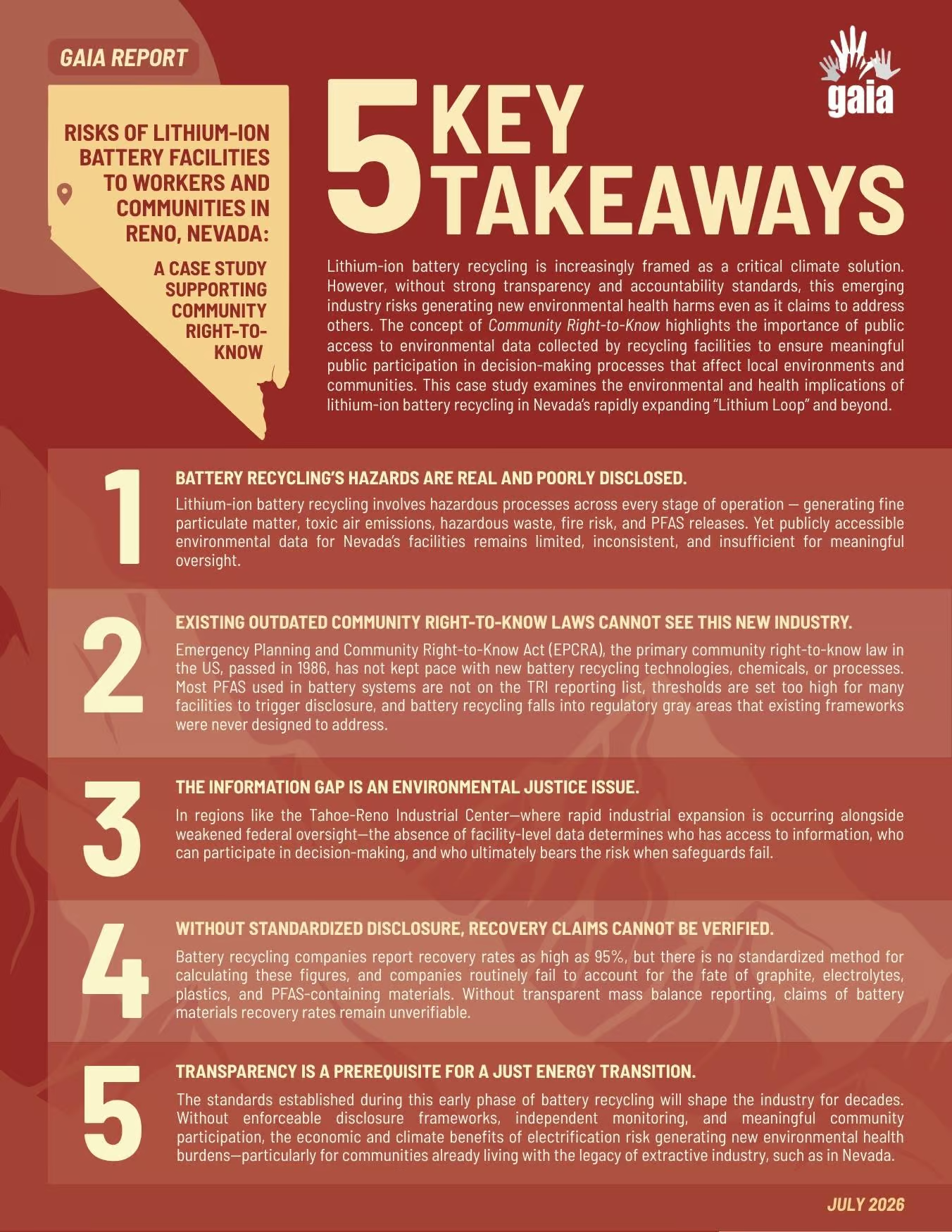
5 Key Takeaways of Case Study: Risks of Lithium-ion Battery Facilities to Workers and Communities in Reno, NV
icon description
United States & Canada - Batteries - July 2026

The concept of Community Right-to-Know underscores the importance of public access to environmental data collected by recycling facilities to ensure meaningful public participation in decision-making processes that affect local environments and communities. This fact sheet highlights the five key takeaways of the report, Risks of Lithium-ion Battery Facilities to Workers and Communities in Reno, which examines the environmental and health implications of lithium-ion battery recycling in Nevada’s rapidly expanding “Lithium Loop” and beyond.

Download This Resource

  • CRTK 5 Key Takeaways
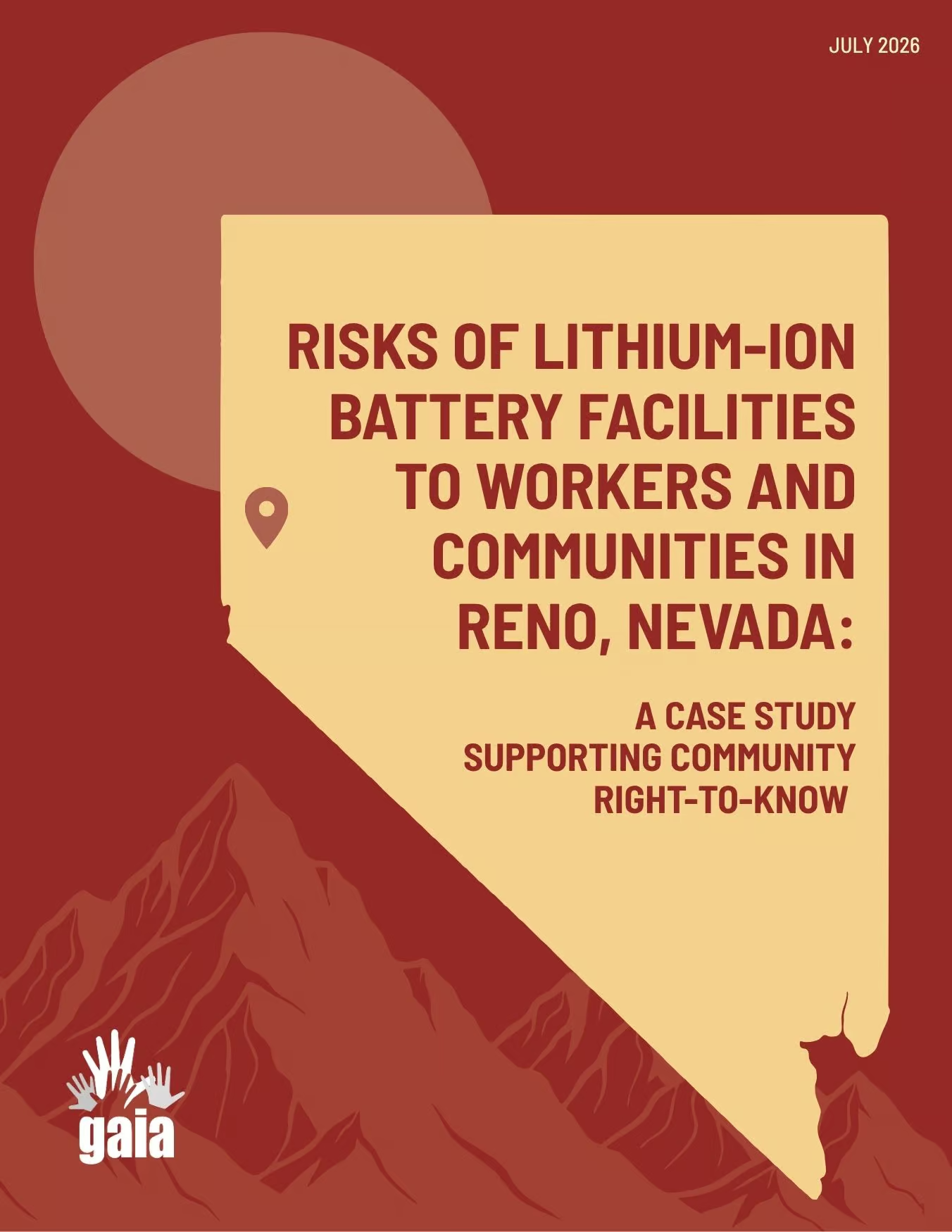
Risks of Lithium-Ion Battery Facilities to Workers and Communities in Reno, Nevada: A Case Study Supporting Community Right-to-Know
icon description
- Batteries - July 2026

Lithium-ion battery recycling is increasingly framed as a critical climate solution. However, without strong transparency and accountability standards, this emerging industry risks generating new environmental health harms even as it claims to address others. The concept of Community Right-to-Know highlights the importance of public access to environmental data collected by recycling facilities to ensure meaningful public participation in decision-making processes that affect local environments and communities.

This case study examines the environmental and health implications of lithium-ion battery recycling in Nevada’s rapidly expanding “Lithium Loop” and is designed not only to document current conditions but to equip communities, policymakers, and other stakeholders with the information and frameworks needed to strengthen transparency and accountability across the sector. This case study marks the launch of GAIA’s Community Right-to-Know Initiative for Battery Recycling, a multi-year effort to:

  • Establish industry-wide transparency and accountability benchmarks among battery recyclers regarding transition mineral claims.
  • Support frontline communities in accessing, interpreting, and acting on environmental data.
  • Align battery supply chain stakeholders, policymakers, researchers, and advocates, in Nevada and throughout the US, around enforceable disclosure standards.

Without these safeguards, the economic and climate benefits of electrification risk posing environmental health burdens to local communities. Transparency, accountability, and meaningful participation are prerequisites for a just and sustainable battery supply chain.

Download This Resource

  • Risks of Lithium-ion Battery Facilities to Workers and Communities in Reno, Nevada - A Case Study Supporting Community Right-to-Know
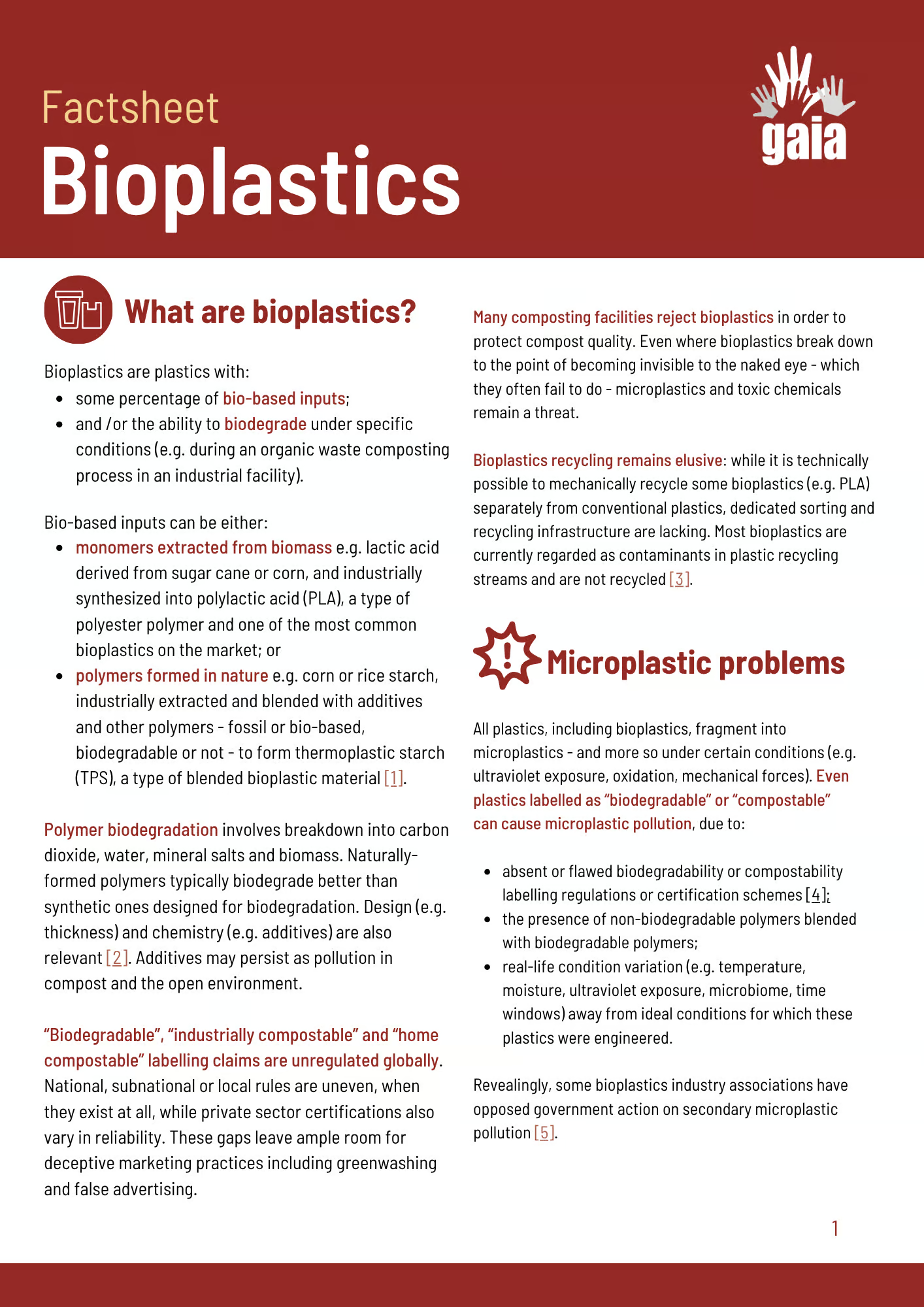
Fact Sheet: Bioplastics
icon description
What are bioplastics? Microplastics problem
- bioplastics - 26 June 2026

This fact sheet details the impacts of bioplastics on human health and the environment, and how it replaces one form of single-use pollution with another, diverting attention from proven solutions to plastic waste through prevention and reuse.

Download This Resource

  • Factsheet - Bioplastics July 2026 EN

Related Resources

GAIA News Meet Our Members Action Alerts Events Press Releases
  • Latest News To Solve the Climate Crisis, We Must Solve the Plastic Crisis Zambia's First National Symposium for Waste Pickers on Plastic Pollution Call to Suspend the Asian Development Bank's Board Deliberations on the Energy Policy 2021
  • Upcoming Events Webinar: Creating effective systems for reuse Webinar: Are we getting closer to a circular economy in Europe?
interior Presentación de GAIA Parte A – Alcance y principios banner image

Presentación de GAIA Parte A – Alcance y principios

- Plastic - 27 de julio de 2023
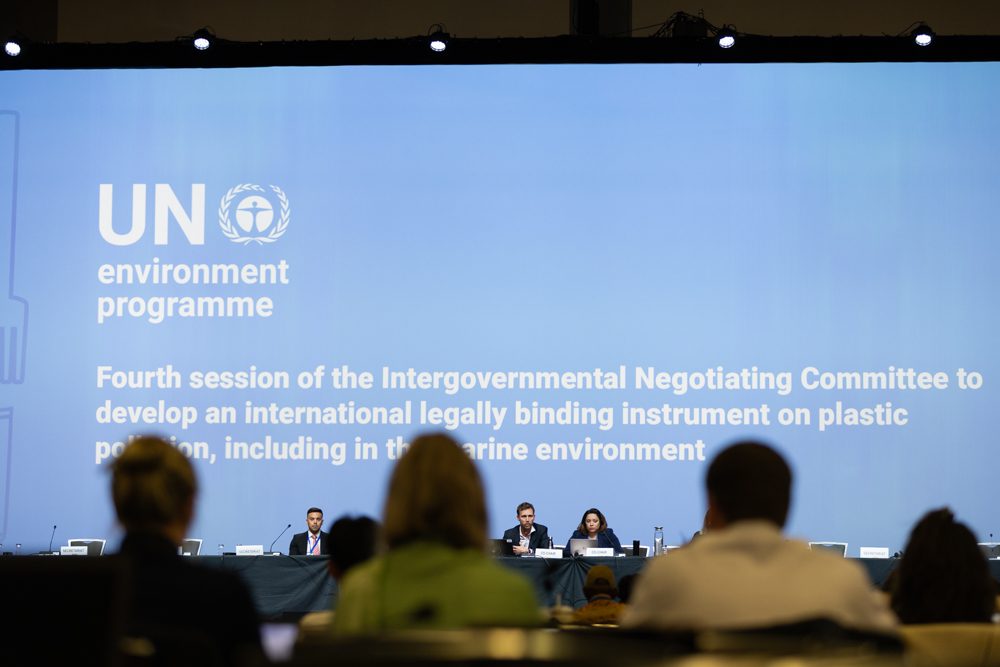
back of people's heads at INC-4 negotiations, plastics treaty
Download This Resource
  • Presentación de GAIA Parte A - Alcance y principios
Related Resources
  • GAIA submission: Part A – Scope and Principles
Our Work
Global Community
Donate

Stay Connected

Sign up for our Global Newsletter to stay up today on our cross regional work.

  • About
    • Who We Are
    • Our History
    • Jobs
    • Contact Us
  • Our Work
    • Incineration
    • Zero Waste
    • Plastic
    • Climate Justice
  • Our Global Community
    • Africa
    • Asia Pacific
    • Europe
    • Latin America & The Caribbean
    • United States & Canada
  • Going Zero Waste
    • Community Engagement
    • Production & Consumption
    • Smarter Infrastructure
    • Justice & Equity
    • Climate Resilience
    • Zero Incineration
  • Tools & Resources
    • Fact Sheets
    • Reports
    • Case Studies
    • Campaign Tools
    • Policy Briefings
    • Webinar Recordings
  • Get Involved
    • Events
    • Join GAIA
    • Donate
    • Get Our Updates
  • News & Alerts
    • GAIA News
    • Meet Our Members
    • Action Alerts
    • Press Releases

Asia Pacific

  • social
  • social
  • social

Africa

  • social
  • social

Europe

  • social
  • social

Latin America and The Caribbean

  • social
  • social
  • social

U.S./ canada

  • social
  • social
  • social
info@no-burn.org

@2026 GAIA. All Rights Reserved.
Privacy Policy | Nonprofit Websites Design by Elevation